












By I.D Aluta
In every administration, there are individuals whose influence extends beyond formal titles and official responsibilities.
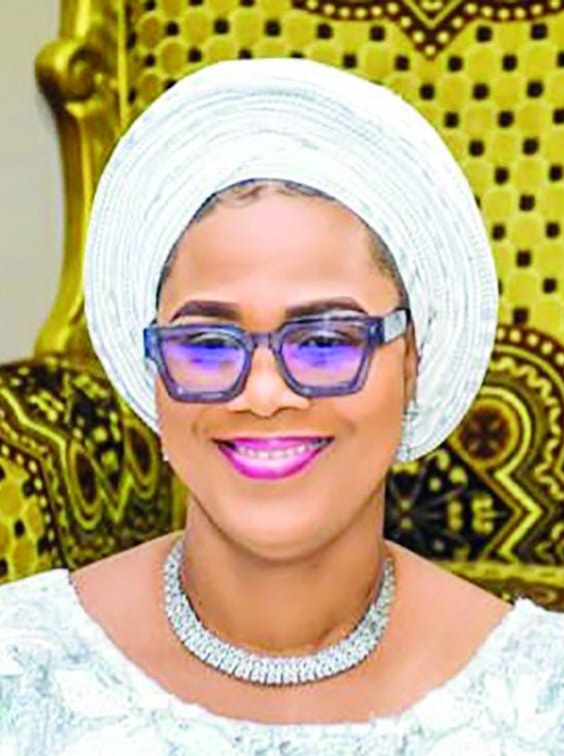
In Ekiti State, that influence is profoundly evident in the humanitarian strides of the Wife of the Governor, Dr. Olayemi Oyebanji.
Through her Widows and Orphans Hope (WAOH) Initiative, she has carved a niche defined not by ceremony, but by compassion, structure, and measurable impact.
The Widows and Orphans Hope Initiative stands today as one of the most socially responsive intervention platforms in the state.
At a time when economic hardship and social vulnerability continue to affect many households, particularly widows and children, WAOH has emerged as a deliberate and strategic response. It is not designed as a symbolic programme for public applause; rather, it is a carefully coordinated effort aimed at restoring dignity, stability, and economic confidence to some of the most disadvantaged members of society.
Across communities in Ekiti State, widows who once faced uncertainty now speak of empowerment and renewed hope. Through financial assistance, vocational support, business grants, and welfare distribution, the initiative has equipped beneficiaries with practical tools to rebuild their lives.
More importantly, it has promoted self-reliance. By encouraging productive engagement and small-scale enterprise, WAOH contributes not only to individual households but also to grassroots economic growth.
The strength of the initiative lies in its sustainability. Rather than fostering dependency, it encourages independence. Rather than offering momentary relief, it builds capacity for long-term stability.
Each empowerment programme reflects a structured approach that prioritises accountability, transparency, and lasting impact. In doing so, it sets a benchmark for social intervention programmes within and beyond Ekiti State.
Beyond the economic dimension, WAOH addresses an equally critical social reality, dignity. Widows in many communities often grapple with social exclusion and emotional strain.
By providing moral support and public recognition of their resilience, the initiative restores confidence and affirms their value within society. Vulnerable children, too, benefit from a renewed sense of belonging and support.
The humanitarian drive of Dr. Oyebanji complements the broader development agenda of Governor Biodun Oyebanji. While the administration focuses on infrastructure, governance reforms, and economic expansion, the First Lady’s social intervention ensures that development remains inclusive. It reinforces the principle that progress must be people-centred and that governance must carry a human face.
What distinguishes her leadership style is sincerity and accessibility. Her consistent engagement with communities, personal involvement in outreach programmes, and unwavering attention to vulnerable groups demonstrate that her commitment goes beyond official obligation. It reflects empathy translated into action.
The broader implication of WAOH is clear: sustainable development cannot thrive where social protection is absent. By strengthening the support system for widows and orphans, the initiative reduces poverty at the household level, stimulates small businesses, and fosters social stability. It proves that when compassion is institutionalised, its ripple effects can reshape entire communities.
There is also a call for collective responsibility. Social intervention cannot rest solely on government efforts. Well-meaning citizens, corporate organisations, and Ekiti indigenes in the diaspora all have roles to play in strengthening platforms like WAOH. Partnerships and shared commitment can deepen its reach and extend its benefits to even more families.
Ultimately, the Widows and Orphans Hope Initiative is more than a project, it is a reflection of values. It underscores the belief that leadership is not only about authority but about service; not only about policy but about humanity. Through structured empowerment, moral encouragement, and sustained outreach, Dr. Olayemi Oyebanji continues to redefine what it means to serve.
Her legacy, as it steadily unfolds, will not be measured merely by programmes launched, but by lives transformed. In communities where despair once lingered, hope now grows, nurtured by compassion and strengthened by purposeful leadership.
Hon. Odebunmi, (I.D Aluta), a member Ekiti State House of Assembly, Representing Oye Constituency II.