
















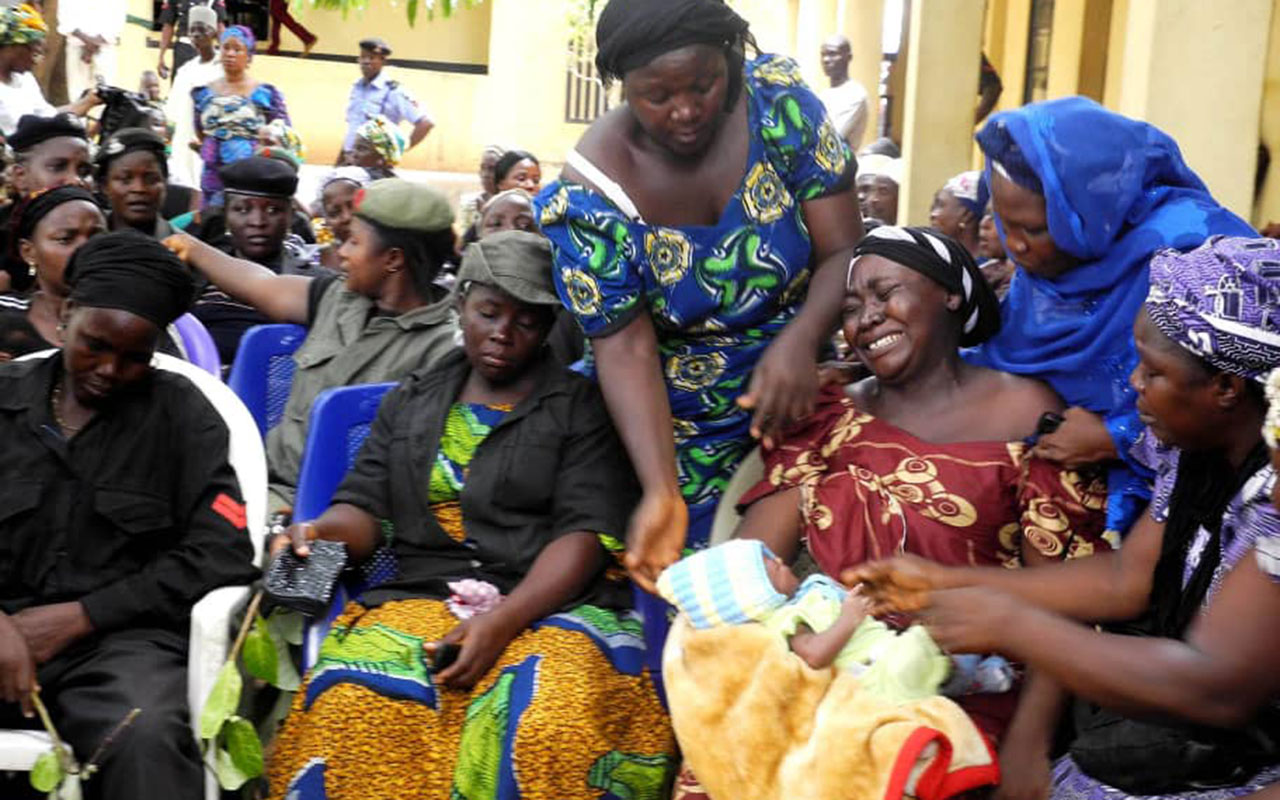
Nigeria prides itself on culture, heritage and tradition. Yet some of the very customs we celebrate continue to inflict some of the deepest wounds on our most vulnerable citizens. Across many communities particularly in the South-West, but by no means limited to it widowhood rites and corpse-related rituals remain quietly embedded in the social fabric. Their persistence raises troubling questions about the nation’s moral priorities and its commitment to the dignity of women.
While many Nigerians believe such practices have vanished with modernity, the truth is more complicated. Behind closed doors, widows are still confined, humiliated, stripped of their autonomy and subjected to rituals that violate both their humanity and their constitutional rights. From enforced isolation and the shaving of hair, to the alarming practice of drinking water used to bathe a corpse, these rites are carried out in the name of tradition but function as acts of cruelty.
That such practices survive in 2025 is not merely a cultural contradiction; it is a national failure.
Tradition Cannot Justify Dehumanisation
Cultural rites, at their best, are meant to bind communities, preserve history and instill shared values. But when practices degrade, intimidate or endanger people, they cease to be cultural assets and become social liabilities.
The justification often given for widowhood rituals that they “purify” the widow or protect the lineage does not withstand ethical scrutiny. These rituals disproportionately target women, reinforce patriarchal power structures, and treat widows as property to be managed rather than individuals with rights. The continued endorsement of levirate marriage, where widows are pressured to marry a relative of their deceased husband, further underscores this troubling reality.
Nigeria cannot continue to hide behind the rhetoric of “ancestors” and “tradition” when such customs violate the most basic principles of dignity.
A Crisis Enabled by Silence
Part of what makes this issue so persistent is the complex web of fear and silence surrounding it. Widows rarely report their experiences. In many cases, they cannot. Threats of spiritual consequence, social ostracism, or loss of property keep them subdued. Some are warned that disobeying ritual orders may bring calamity upon their children.
This silence is reinforced by the complicity of communities. Family elders enforce rites as a matter of prestige and authority. Neighbours watch quietly, believing they are respecting “family matters.” And in some cases, religious leaders look away, unwilling to confront longstanding local customs.
It is this collective silence not just the rituals themselves that makes widowhood practices one of the least acknowledged forms of gender-based violence in Nigeria.
The Law Exists, But Where Is the Enforcement?
Nigeria is not short of legislation that protects widows. The 1999 Constitution, the Violence Against Persons (Prohibition) Act (VAPP), and various state-level laws all prohibit degrading treatment and forced marriage. But these protections rarely reach rural communities where culture remains the primary regulator of private life.
Law enforcement is often hesitant to intervene. Some officers claim they cannot interfere in family affairs. Others share the same cultural beliefs that fuel the rituals. The result is a gap wide, dangerous and shameful between the law on paper and the law in practice.
A country cannot claim to uphold human rights while allowing communities to operate legal systems of their own that subject widows to humiliation.
This Is a Matter of National Morality
The treatment of widows is not merely a women’s issue it is a societal issue, a test of national conscience. How a nation treats its most vulnerable says more about its moral standing than any constitution or slogan.
Nigeria cannot aspire to modernity while dragging along practices that belong to a darker past. We cannot celebrate international women’s rights conventions and yet allow widows to endure private suffering in the name of culture.
A society that punishes women at their moment of deepest grief has lost sight of humanity.
The Path Forward
Ending these practices requires a multi-layered response:
State governments must fully domesticate and enforce the VAPP Act. Enforcement cannot remain optional.
Traditional leaders must be engaged, not ignored. Cultural reform must come from within communities themselves.
Civil society organizations must expand legal awareness campaigns so widows know their rights and how to seek help.
Religious institutions must take a bolder stand, refusing to tolerate rituals that dehumanize under the cover of culture.
Police authorities must treat widowhood abuses as criminal offences, not cultural misunderstandings.
Nigeria has the legislative tools. What remains is political will and moral courage.
Conclusion
Widowhood should be a period of mourning not a season of torment. Nigeria must confront this silent crisis with honesty and urgency. Until harmful widowhood practices are abandoned entirely, our claims to justice, equality and human rights will remain hollow.
The time for quiet tolerance has passed. The dignity of every Nigerian widow must no longer be negotiable.